
Where to Go in Italy When You Hate Crowds
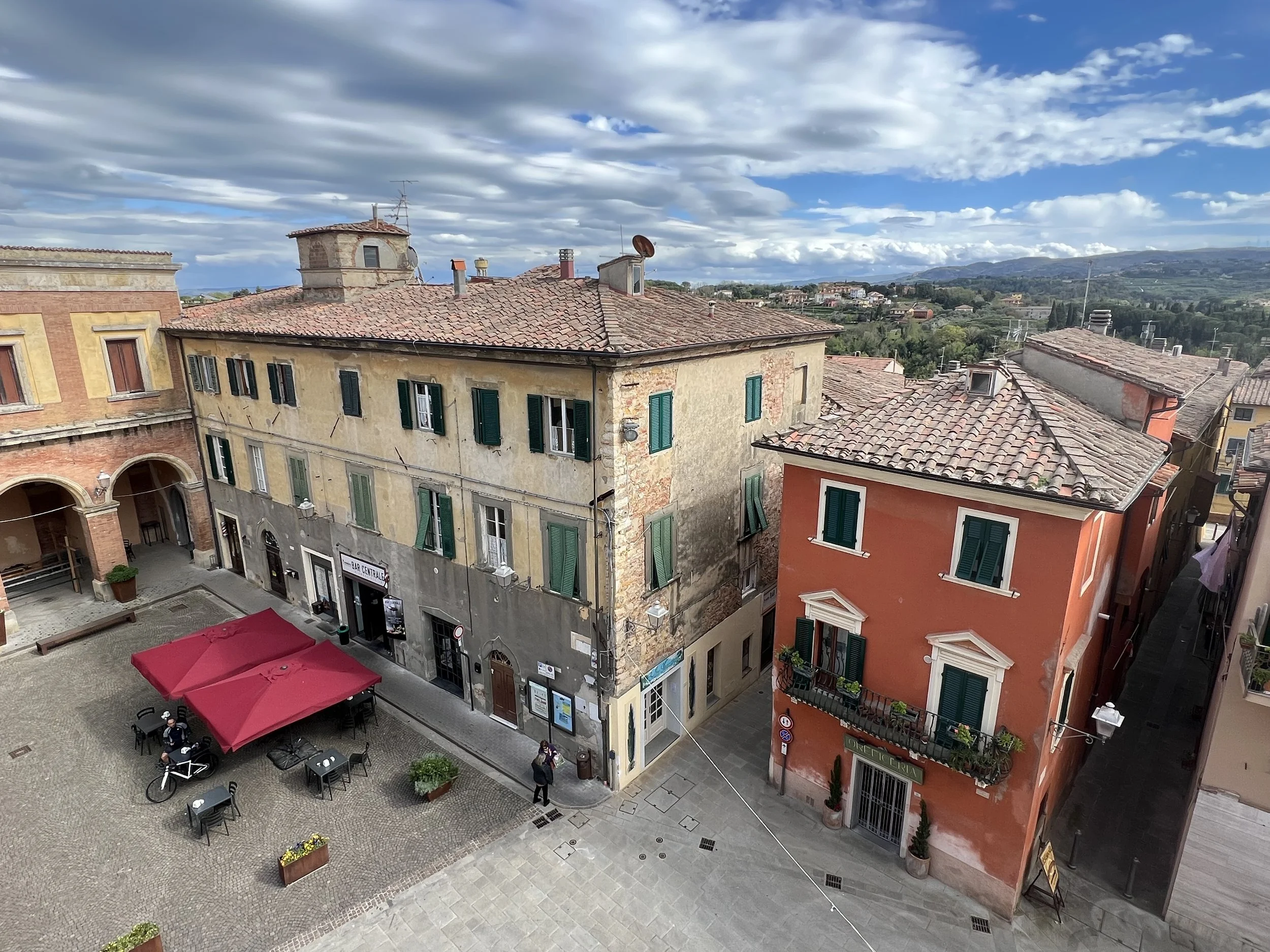
The quaint hilltop village of Lari in Northwestern Tuscany
Italy without the crowds
Italy is one of the most visited countries in the world, and for good reason. It is beautiful, fascinating and filled with extraordinary art, food, architecture and history.
Unfortunately, it can also be extremely busy.
If the thought of squeezing through crowded streets, standing in long queues and fighting for space on public transport fills you with dread, you might assume Italy simply isn’t for you.
It is. You just need to find the version of Italy that works for you.
As someone with ADHD, I can quickly become overwhelmed by noise, crowds and too many decisions. I don’t want to spend my holiday following a tightly packed itinerary or battling hundreds of other visitors for the same photograph.
That is one of the reasons I have never felt particularly drawn to places such as Venice, Rome or the Amalfi Coast. They are undoubtedly beautiful, but they are not the only way to experience Italy.
Some of my happiest travel memories have come from smaller cities, quiet hill towns and places where everyday Italian life is still happening around me.
So, where should you go in Italy when you hate crowds?
Choose Pisa instead of Florence
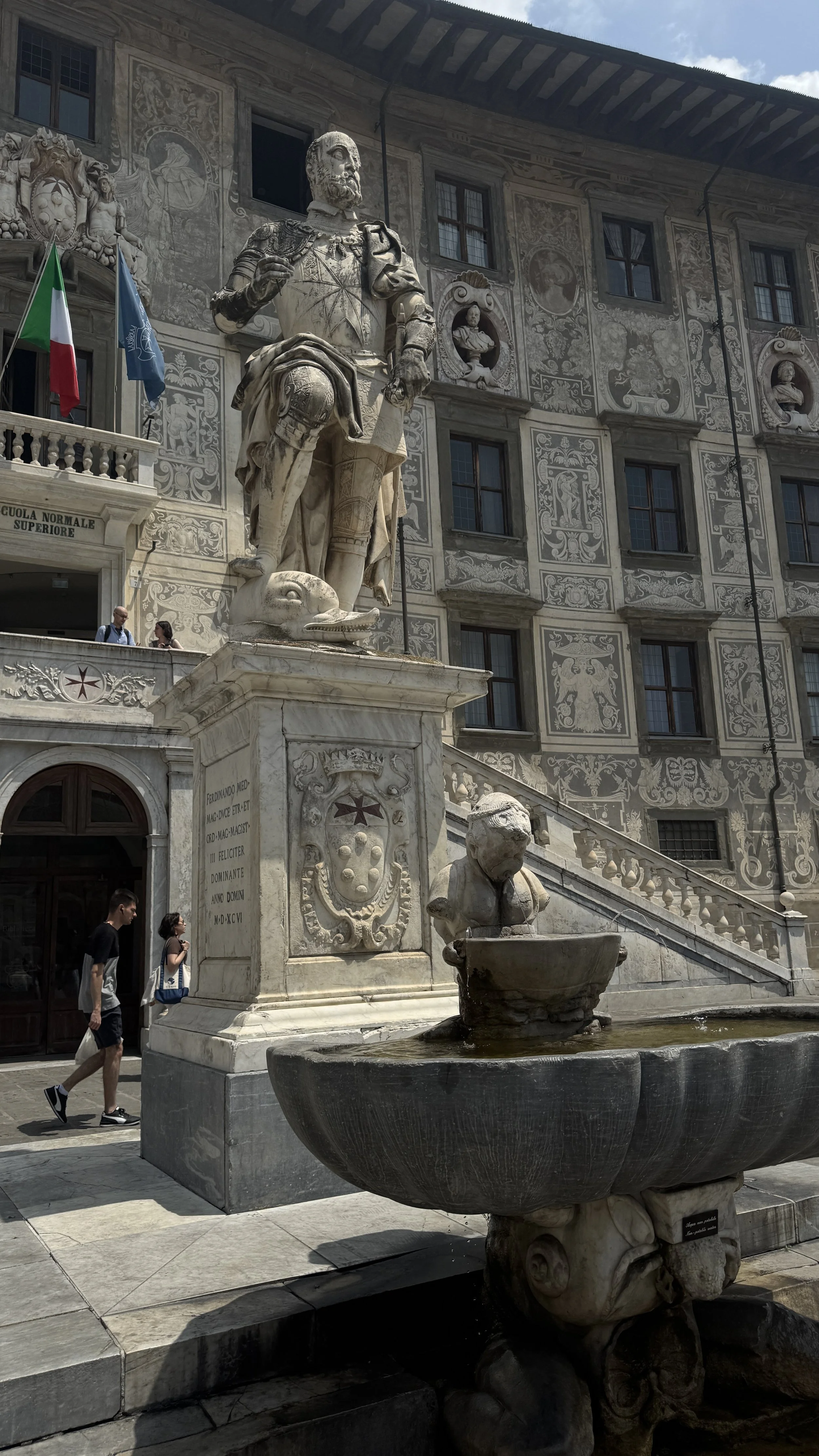
Most people arrive in Pisa, visit the Leaning Tower and leave again.
I think that is a mistake.
The area around the tower can become incredibly busy, particularly during the middle of the day. But walk for ten minutes and you will discover a very different city.
Pisa is compact, flat and easy to explore on foot. Beyond Piazza dei Miracoli, you will find peaceful streets, riverside walks, local markets and small cafés where people are simply going about their everyday lives.
It has plenty of history and beautiful architecture, but it rarely feels as relentless as Florence.
You can still visit the Leaning Tower, of course. Go early in the morning or later in the evening, then spend the rest of your time discovering Pisa beyond its most famous landmark.
Pisa is also a useful base for exploring northern Tuscany by train or car, making it a particularly good choice for a first independent trip to Italy.
Explore the quieter towns of northern Tuscany
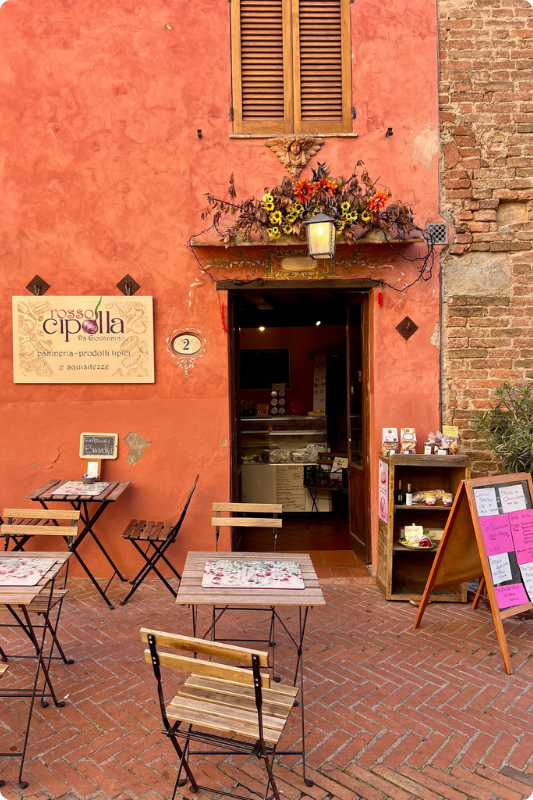
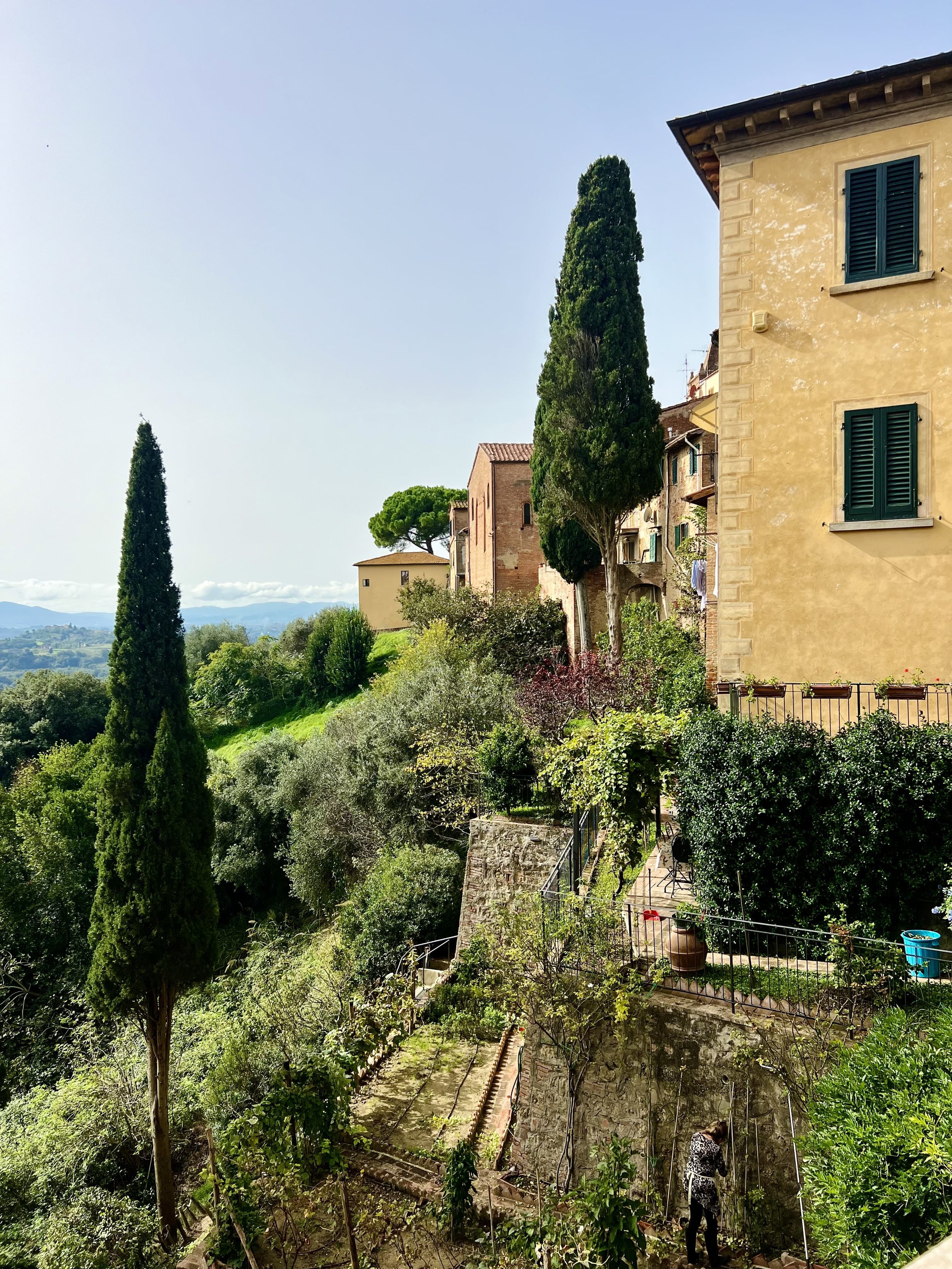
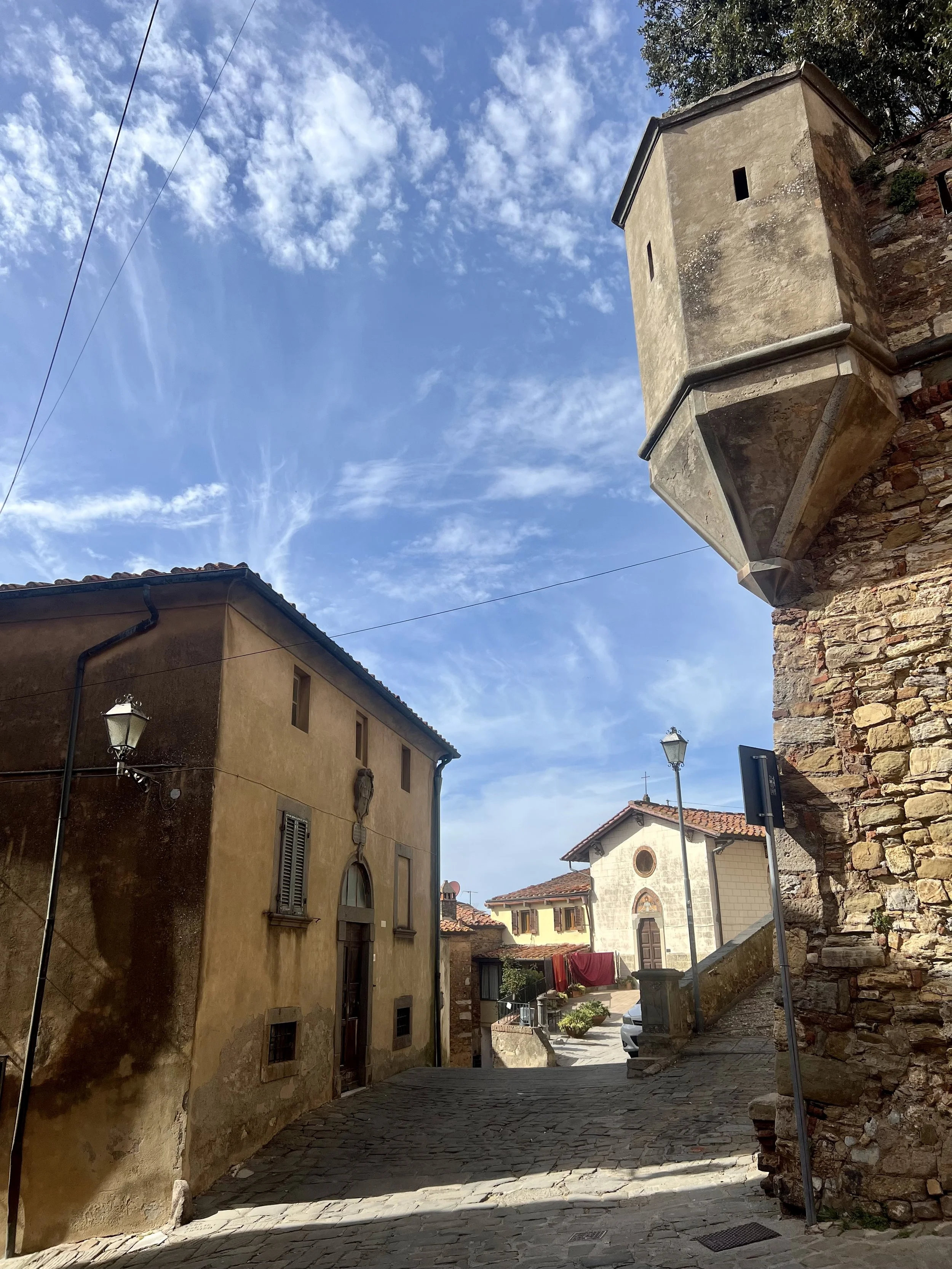
Tuscany does not begin and end with Florence, Siena and San Gimignano.
Some of my favourite places in the region are its smaller towns and villages, particularly in northern Tuscany.
Barga sits among the hills of the Garfagnana, with winding streets, mountain views and a beautiful cathedral overlooking the town.
Vicopisano is a small medieval town close to Pisa, surrounded by countryside and overlooked by an impressive fortress designed by Brunelleschi.
Vinci, the birthplace of Leonardo da Vinci, combines history with the rolling landscapes most of us picture when we think of Tuscany.
There are also towns such as Palaia and Castagneto Carducci, where you can wander without feeling as though every street has been arranged for tourists.
These towns are not completely undiscovered, nor should they be. But they generally allow you to slow down and experience your surroundings without constantly negotiating crowds.
You may need a car to reach some of the smaller towns, but driving also gives you the freedom to stop whenever somewhere catches your eye.
Visit Turin for a calmer Italian city break
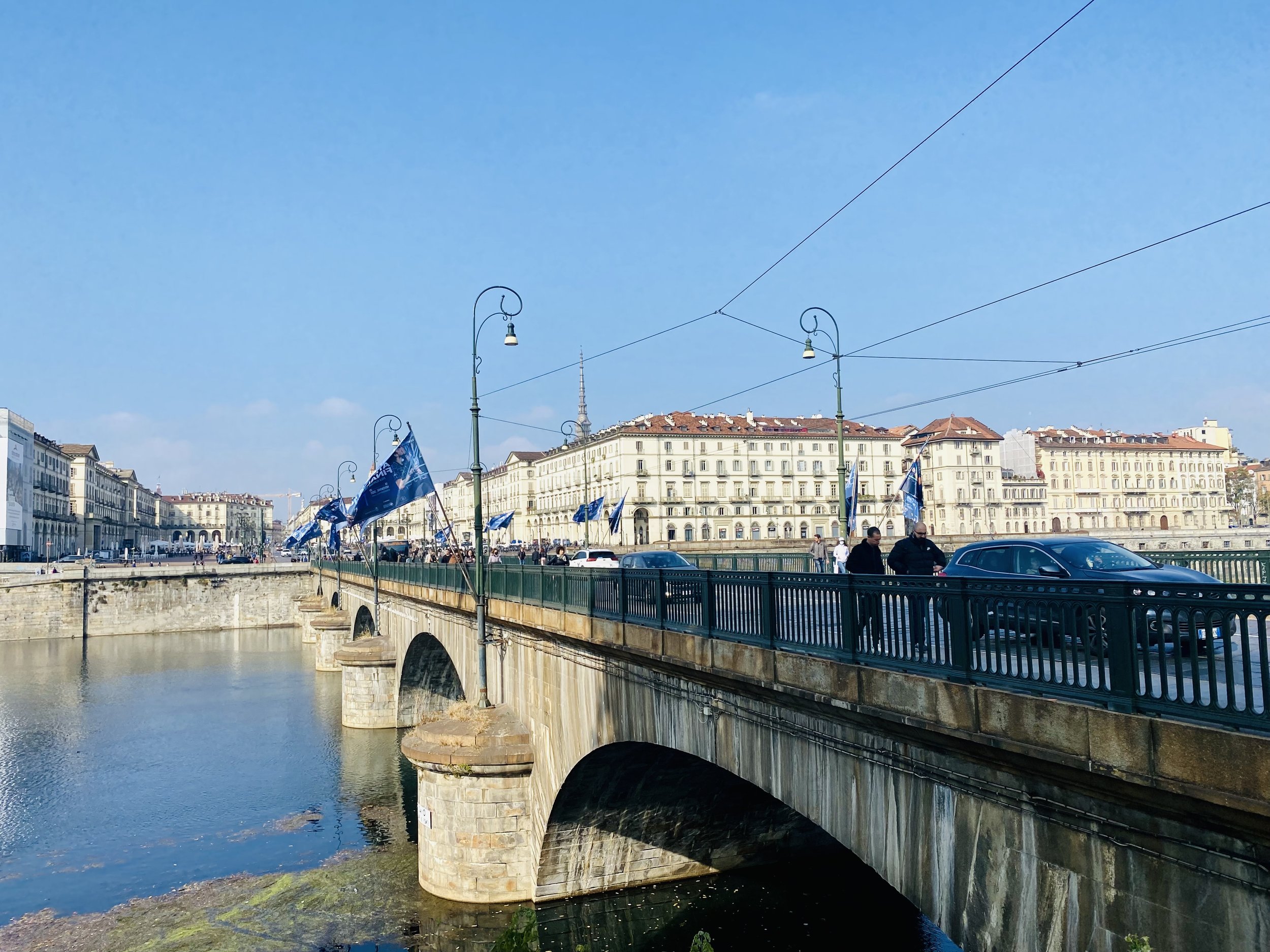
Turin is the perfect city to mooch about for a long weekend break.
Turin is one of Italy’s most elegant cities, yet it is often overlooked in favour of Milan.
Its wide boulevards, grand squares and covered arcades give the city a sense of space that can feel reassuring if you dislike cramped, crowded streets.
It is a wonderful city for walking, stopping for coffee and exploring at your own pace. Turin is famous for chocolate, historic cafés and aperitivo, but it also has excellent museums and striking architecture.
Like any major city, Turin can become busy. However, it generally feels calmer and less frantic than many of Italy’s better known city break destinations.
The covered arcades are also rather useful when the weather is not behaving itself!
Discover art and history in Sansepolcro
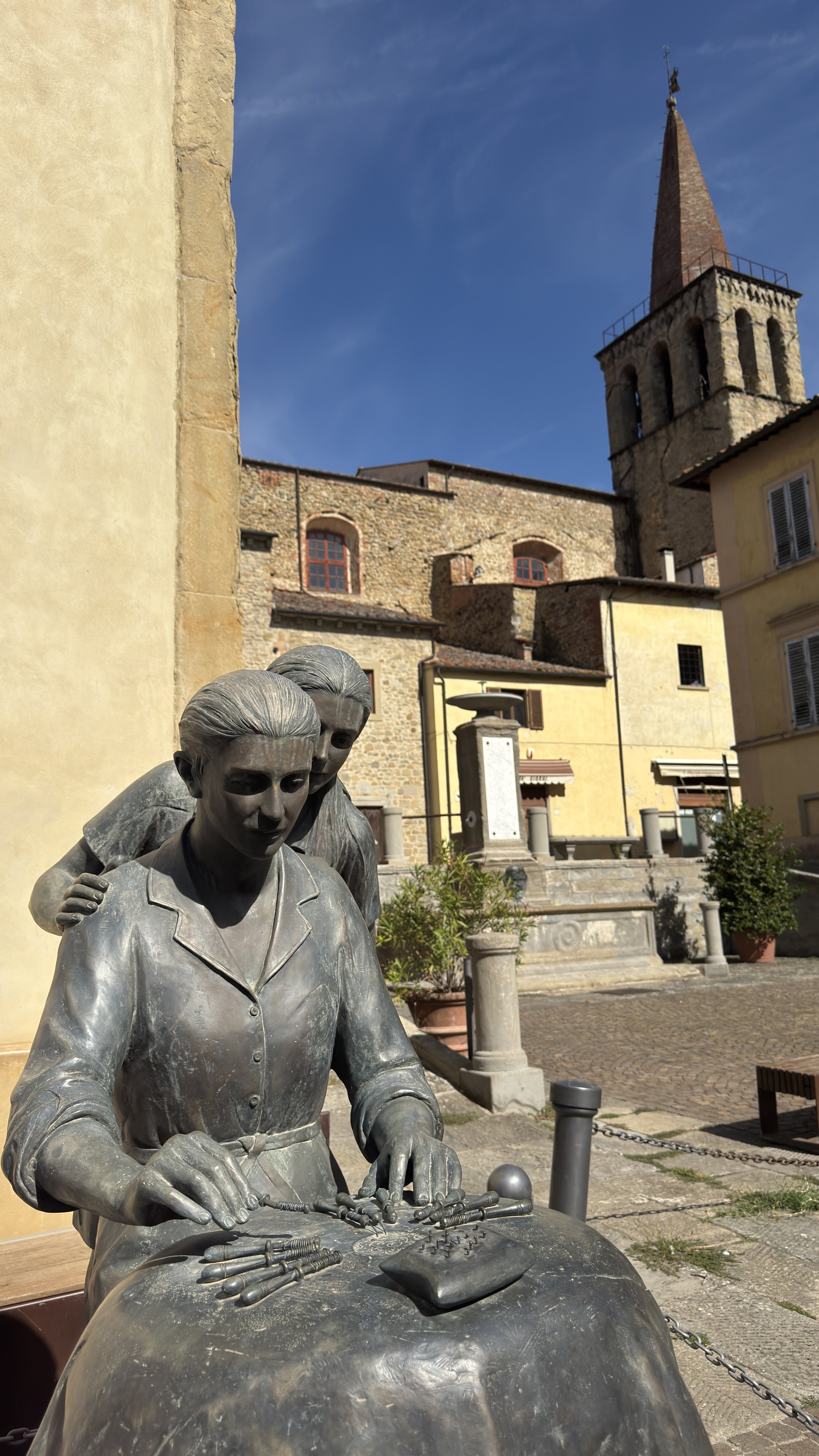
Sansepolcro is renowned for its centuries old luxury textile craftsmanship, which historically relied on placing weaving looms directly into local homes to preserve artisanal traditions.
Sansepolcro sits in eastern Tuscany, close to the border with Umbria.
It has an attractive historic centre, handsome palazzi and an important artistic heritage. Renaissance artist Piero della Francesca was born here, and several of his works remain in the town.
Despite this, Sansepolcro receives nowhere near the same volume of international visitors as Florence or Siena.
You can wander through its streets, stop for lunch and actually take in what you are seeing rather than being swept along by a crowd.
It is a particularly good option if you enjoy art and history but find major museums and heavily touristed cities exhausting.
I visited Sansepolcro during a road trip around eastern Tuscany in the Autumn, and it was a perfect time to be there.
Consider Abruzzo instead of the Amalfi Coast
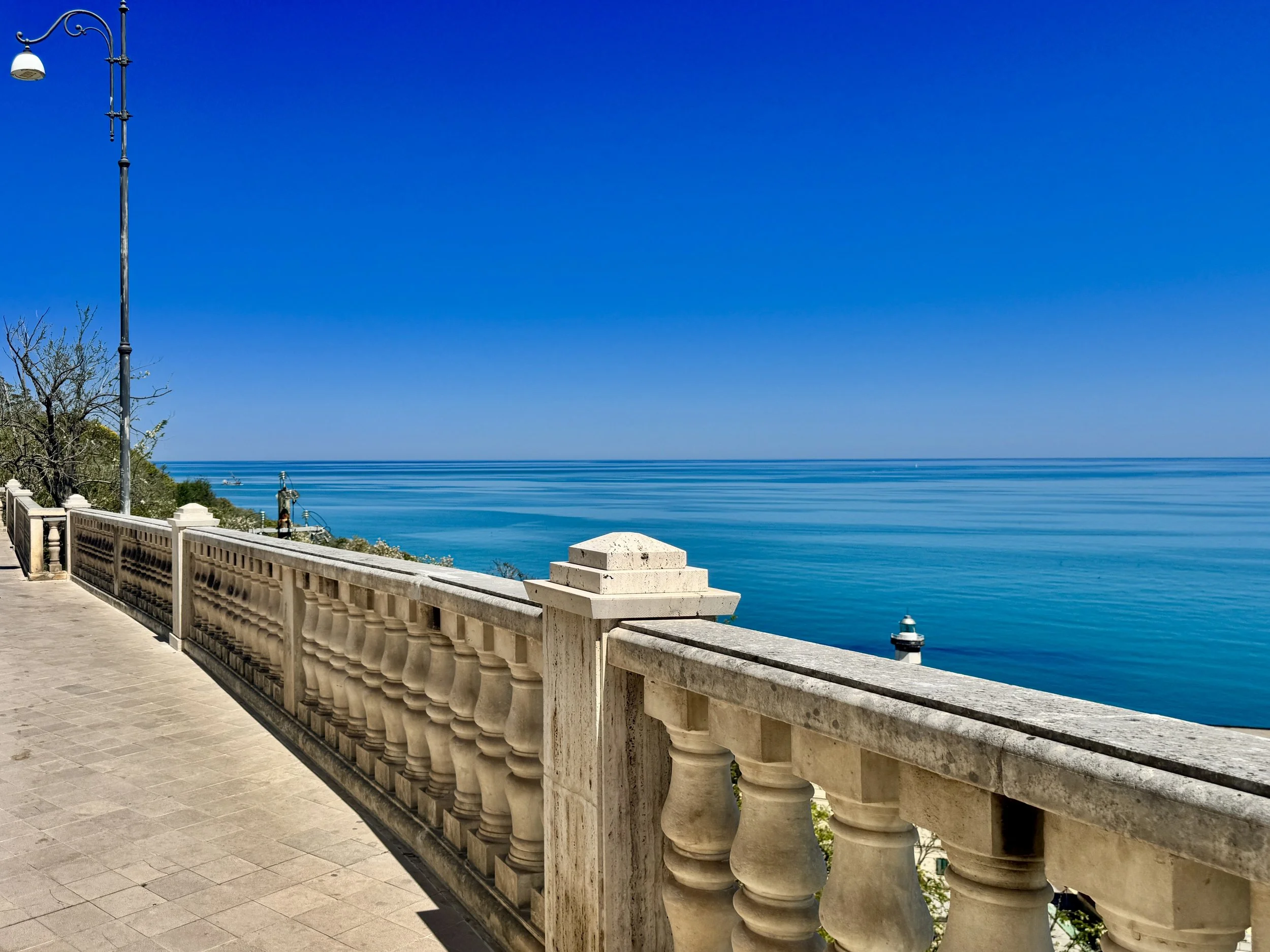
The promenade in Ortona, Abruzzo, with the sparkling waters of the Adriatic below
Abruzzo is a region where you can spend the morning exploring a hill town, drive through spectacular mountain scenery and reach the coast in time for dinner.
The pace feels different too. You are more likely to find family run restaurants and towns where daily life has not been reshaped entirely around tourism.
Abruzzo is not polished in the same way as some of Italy’s most famous destinations. That is part of its appeal. It’s slow and rustic, and full of hidden surprises. My advice would be to go sooner rather than later, as I think it is a rapidly growing tourist destination.
You may need to be a little more independent, and a car makes exploring Abruzzo much easier, but the reward is a version of Italy that feels more spacious, authentic and relaxed.
For me, this is one of the pleasures of travelling beyond the obvious places.
There is less pressure to rush from one landmark to another. Your day might revolve around a morning coffee, a local market, a drive through the countryside and a long lunch.
If you have ADHD, are neurodivergent or simply find busy itineraries mentally exhausting, this slower style of travel can be far more enjoyable. There are fewer decisions to make and less pressure to use every minute productively.
You are allowed to simply be there.
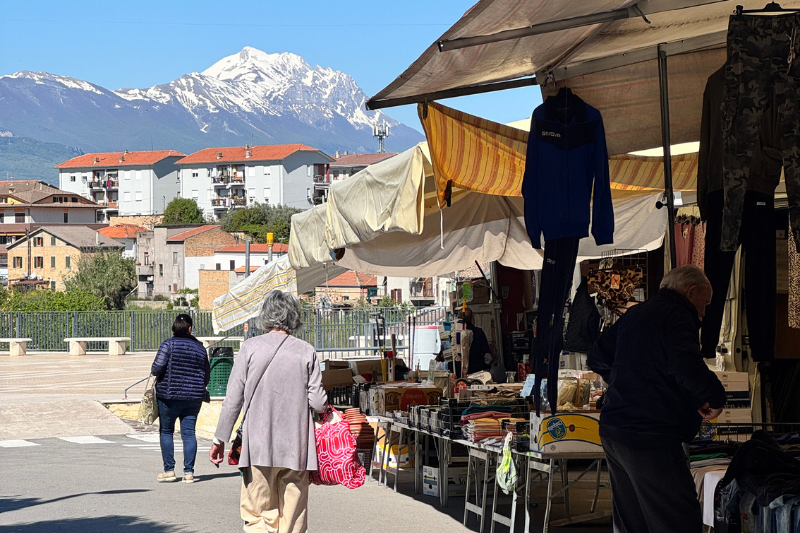
Pianella in Abruzzo is the perfect base to explore Abruzzo.
Pianella is a small town in the province of Pescara, surrounded by olive groves and rolling countryside.
It is not somewhere you visit with a checklist of major attractions. You come to wander through the old streets, sit in the square, eat well and observe the rhythms of an ordinary Italian town.
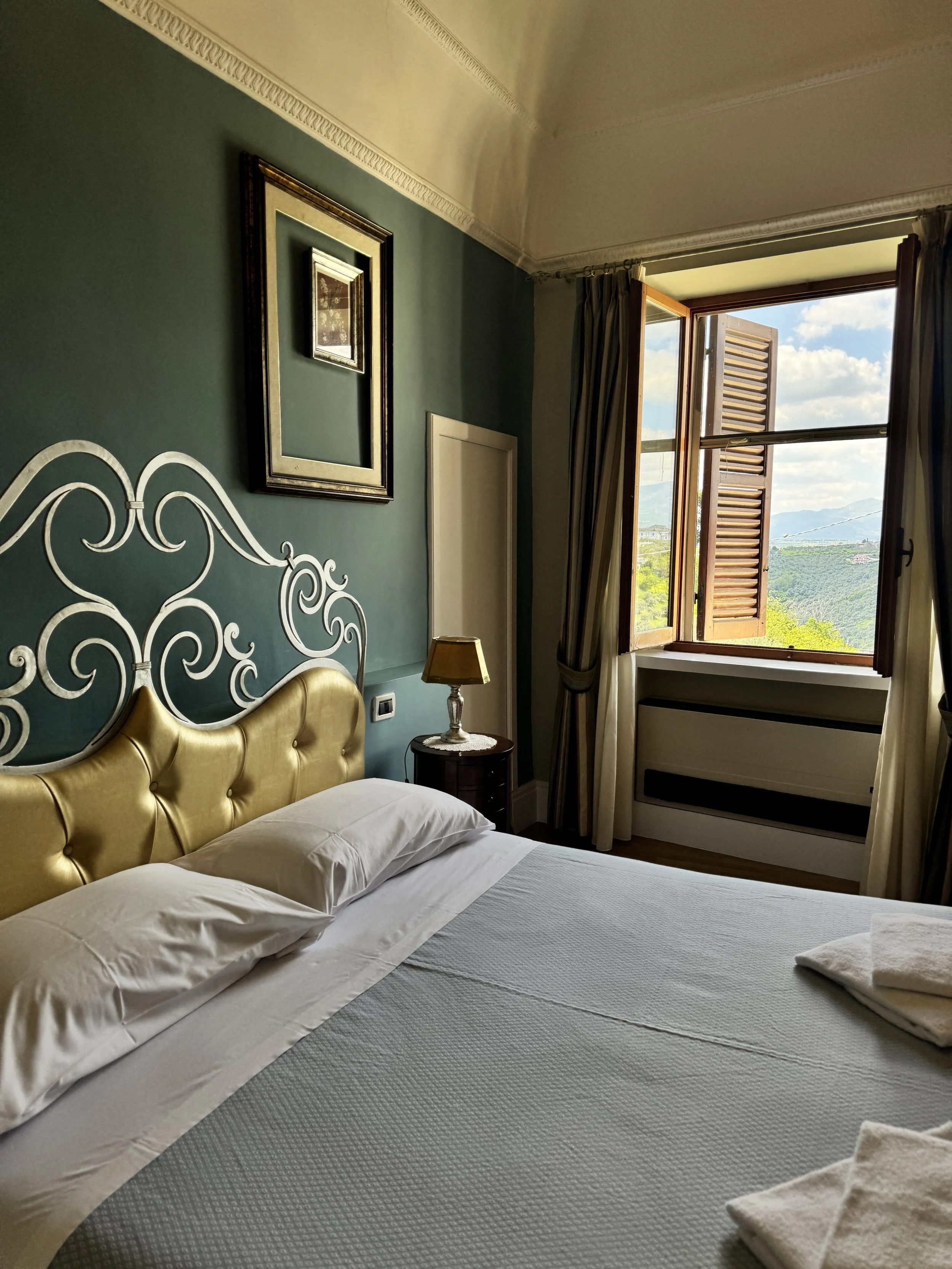
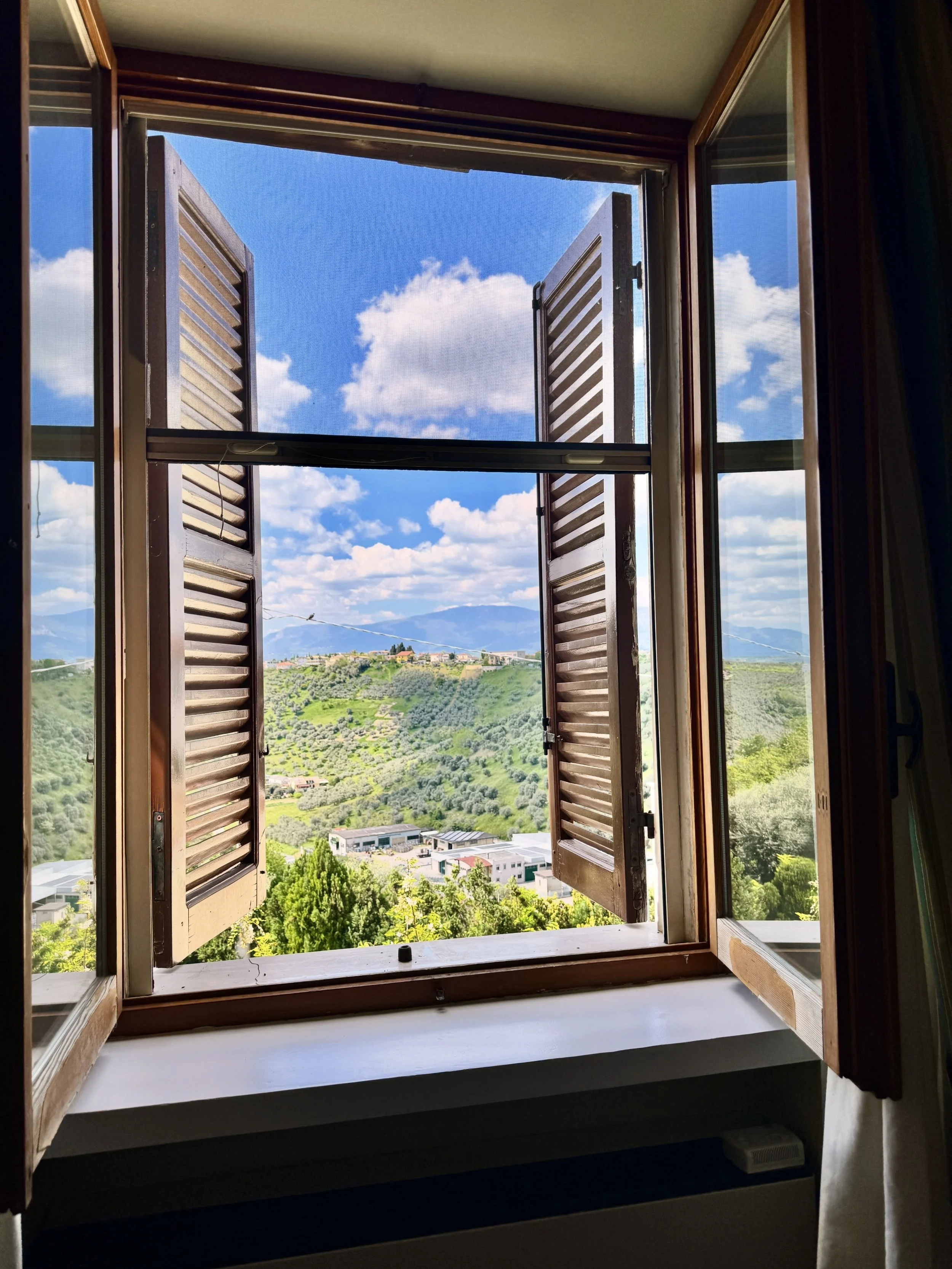
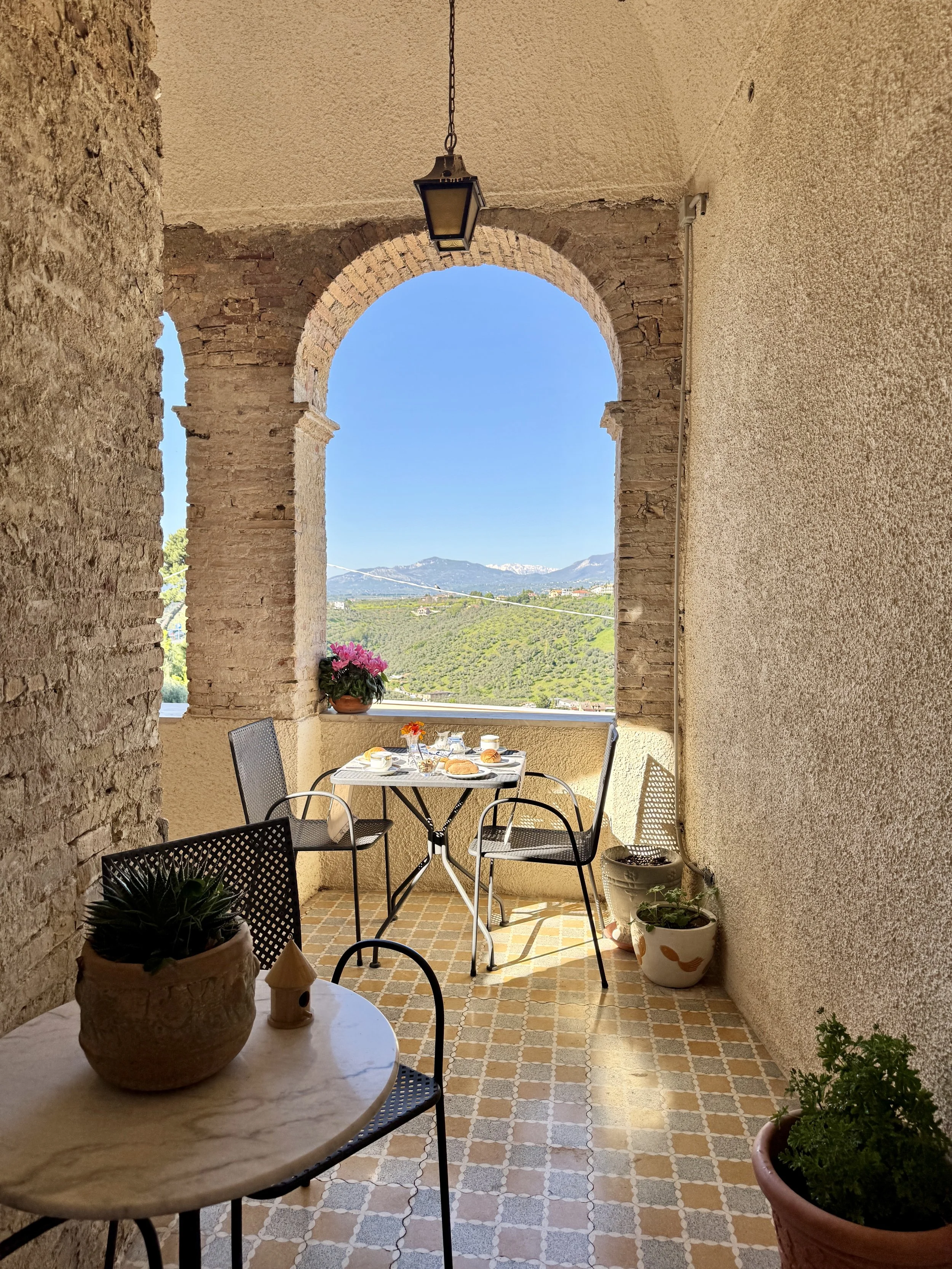
My favourite place to stay in Pianella is the charming Dimora Antica Pianella. It’s slap bang in the old part of town, with a rustic charm that doesn’t forgo on all the creature comforts. The views of the mountains from the terrazza are splendid!
Practical Advice
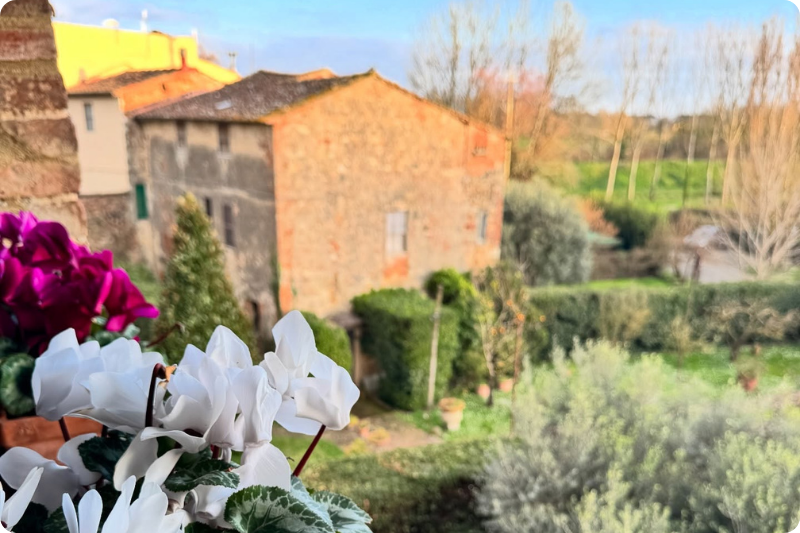
Late Winter Cyclamen in Vicopisano
Choosing the right destination helps, but when and how you travel matters too.
If possible, avoid July and August. These are the hottest and busiest months in many parts of Italy, as Italians are also on holiday, and accommodation is often more expensive. (even the shoulder seasons are getting busier, but without the oppressive summer heat the crowds are more bearable)
Spring and autumn are usually more comfortable. The weather can be pleasant, restaurants and attractions are still open, although check for seasonal opening times for individual establishments especially in seaside resorts.
A few other choices can make your trip feel much easier:
Stay for longer in fewer places
Avoid changing accommodation every night
Book important train journeys and attractions in advance
Give yourself free time with nothing scheduled
Visit popular landmarks early in the morning
Stay slightly outside the busiest historic centres
Build quiet time into your day
Choose restaurants away from the main tourist squares
You do not need to see everything!! And I mean this with absolute certainty.
Trying to fit five cities into seven days might look impressive on paper, but it can leave you exhausted and unable to remember what you actually enjoyed.
(Important Caveat)
No Italian destination is completely crowd free.
Even quieter Italian towns can become busy during festivals, public holidays and summer weekends.
A place described as peaceful in May may feel completely different in the middle of August. Markets, religious celebrations and local events can also bring large numbers of visitors into relatively small spaces.
Always check what is happening locally before you book.
If crowds cause anxiety or sensory overload, the timing of your trip can be just as important as the destination you choose.
Find the version of Italy that works for you
There is no rule saying your first trip to Italy must include Rome, Venice and Florence.
You are not doing Italy incorrectly if you choose a small Tuscan town, a quiet corner of Abruzzo or an overlooked city instead.
Travel should work with your personality, not against it.
For me, the best moments in Italy are rarely found while standing in a queue. They happen when I turn down an unfamiliar street, stop for coffee in a quiet square or drive through a town I had never heard of before.
If you hate crowds, you do not have to give up on Italy.
You simply need to look beyond the obvious.
Baci,
Beara x