
The Taste of Italy
(and how to bring it home)
There is a specific kind of ache that hits you on the journey home from Italy.
Not sadness exactly. (nope, actually it’s 100% sadness 🥲) More like an awareness. You've spent days eating food that tastes as if it came from the ground it was grown in, sitting at tables where no one is in a hurry, drinking wine in the afternoon like it's perfectly reasonable.
And then you're back.
Standing in your kitchen.
Wondering why the pasta doesn't taste the same.
But it doesn't have to be that way!
You can't bottle the Italian light or ship home the sound of a piazza at dusk. But you can bring back more of Italy than you think. And with a few small changes at home, you can keep that feeling going long after the tan fades.
This is everything I've learned about how to do it.
What You Can Actually Bring Home, and What the Rules Are Now
Let's start with this, because the rules changed in April 2025, and a lot of people still aren’t aware of it.
As of the 12th of April 2025, the UK government introduced a ban on bringing meat and dairy products from EU countries into Great Britain for personal use. That means no prosciutto, no salami, no pecorino tucked into your suitcase, even if it's vacuum-packed, even if you bought it at the airport. The ban was introduced to help prevent the spread of foot and mouth disease, and fines for ignoring it can reach up to £5,000. So it's not worth the risk.
I know.
I know.
It's genuinely heartbreaking.
Especially standing in a Florentine market holding a beautiful wedge of aged pecorino. But the rules are the rules, and it really isn't worth the risk.
Now, I will be honest with you. I have brought parmesan and guanciale back in my hold luggage before, more than once, and never had an issue.
But if you want to be on the safe side, most major airports do sell vacuum-packed Italian specialities at duty-free. The selection can be surprisingly good. The prices are, admittedly, eye-watering compared to a supermarket in Florence. But if you absolutely cannot leave without a taste of something to bring home, it is the best way to do it.
Before You Pack Your Bag: UK Customs Rules (Updated April 2025)
YES, you can bring home:
Dried pasta and biscuits (plant-based, no meat or dairy derivatives)
Extra virgin olive oil (in hold luggage, wrapped well)
Dried and vacuum-packed truffle products and truffle oils
Balsamic vinegar and condiments
Jarred or canned goods, including sauces, antipasti in oil, and marinated vegetables
Dried herbs and spices
Chocolate, sweets, and baked goods (without cream or custard)
Coffee beans, ground or whole
Wine, spirits and liqueurs
NO, since April 2025, you cannot bring:
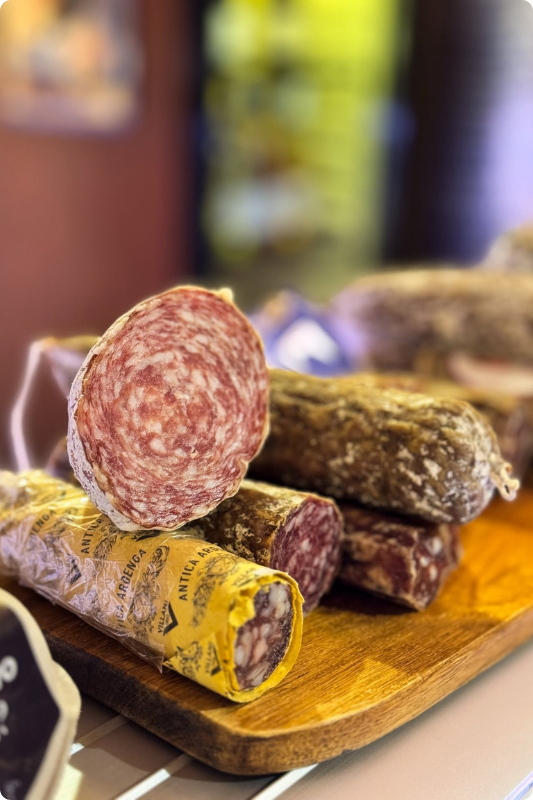
Any meat or cured meat from the EU including prosciutto, salami, mortadella
Any dairy products including cheese and milk
This applies even if packaged, vacuum-sealed, or bought duty-free
However, the good news is that some of Italy's most transportable treasures fall squarely in the yes column.
The Ingredients That Actually Make the Difference
One of the biggest things I've learned is that Italian food isn't complicated. It's just made with genuinely fantastic ingredients. And bringing some of those things home changes everything.
Olive oil
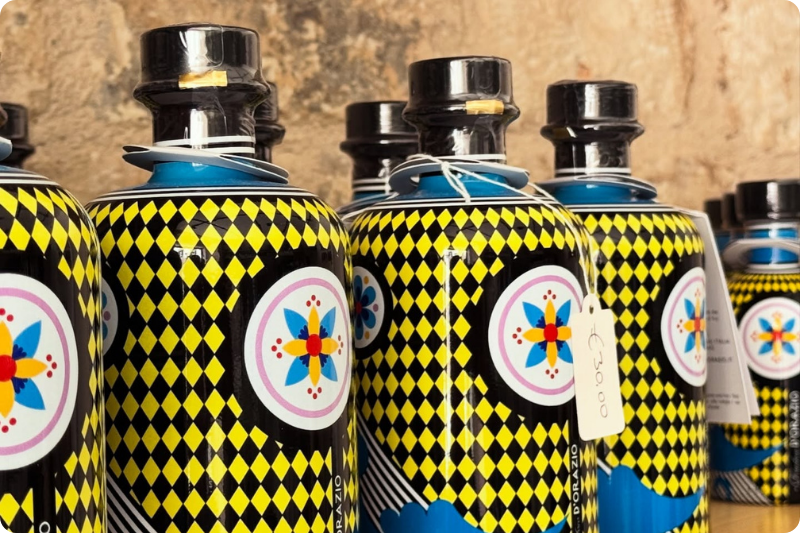
If you bring one thing home from Italy, make it olive oil. Not the stuff you can pick up in any supermarket. A proper extra-virgin olive oil, ideally from a small producer, like Frantoio D'orazio, bought at a market or an agriturismo. The difference in flavour is almost shocking once you've tasted it side by side.
Pack it carefully. Wrap the bottle in a plastic bag and then wrap it again inside something soft in your hold luggage. A crack at 35,000 feet is not a memory anyone wants to come home to.
If you can, look for oil in a dark bottle or a tin. It keeps the flavour better, and it usually signals a more serious product. Tasting as you go is always the best way to find one you love.
Dried pasta from a pasta maker
There is dried pasta, and then there is dried pasta made by someone who has been doing it for three generations in a town you will struggle to find on a map.
The difference is real… believe me.
Look for pasta made with bronze dies, which gives it a rougher texture that holds sauces beautifully. Artisan dried pasta travels perfectly, makes no mess, and tastes completely unlike anything from the supermarket shelf.
Pasta from the Abruzzo region is particularly special. The tradition there is long, and the craft is taken seriously. If you are in that part of Italy, it is worth seeking out.
Truffles
Fresh truffles are extraordinary (I honestly haven’t stopped telling anyone who will listen about the truffle burger I ate in Tuscany), but impractical to transport. Dried truffle shavings, truffle paste in a jar, or a good truffle oil are all perfectly legal to bring home and will keep for months. A small jar of truffle paste from a local deli costs very little and elevates scrambled eggs, pasta, and risotto in a way that feels completely disproportionate to the effort involved.
Umbria and Abruzzo are both known for their truffles, so if you are travelling in those regions, keep an eye out in local food shops and markets.
Balsamic vinegar
Real balsamic vinegar from Modena is one of the most misunderstood ingredients in British kitchens. The thick, sweet, aged stuff is nothing like what we have in the UK. A small bottle of genuine aged balsamic travels easily and lasts for years. A few drops over strawberries, grilled meat, or even good vanilla ice cream, and you will understand immediately why Italians treat it like a precious thing.
Wine and spirits
Wine (of course) travels perfectly, and there’s no restriction on bringing it home for personal use, just be mindful of your airline's weight allowance. A bottle of local Montepulciano d'Abruzzo or a Tuscan Chianti from a small producer you visited is worth more than any airport bottle.
Limoncello is also brilliant to bring home, as is Amaro, and if you are feeling adventurous, a bottle of local grappa. My personal favourite digestif is Cynar, which I pick up at the supermarket. It is half the price of anything you'd find at home, and genuinely difficult to track down in England. Just remember to wrap everything well when packing it!
Learn It While You Are There: Cooking Classes in Italy
This might be the best thing I can suggest in this entire blog.
Taking a cooking class in Italy is not just about learning recipes. It is about understanding the philosophy. Why this ingredient? Why this technique? Why you do not need to add anything else? You come home not just with a recipe written on a piece of paper but with a way of thinking about food that changes how you cook.
Most classes are small and informal, run from someone's home kitchen or an agriturismo kitchen, and they are usually full of laughter, wine, and the kind of easy conversation that only happens when everyone is focused on making something together. As a solo traveller, they are also a wonderful way to meet people.
The best classes are hands-on. You are making pasta, not watching someone else make it. You are rolling the dough, feeling when it's right, learning to read the ingredients rather than just follow quantities.
I took my first cookery class in Pianella, Abruzzo last Autumn with a local chef called Graziella. It ended up being a private lesson in the kitchen at Dimora Antica Pianella, and we had a ball. I learned how to make 4 different shapes of pasta as well as an Abruzzese speciality, Cheese and Egg Balls. We also made the most delicious dessert using fresh local peaches that was to die for.

Two Recipes to Make It Real
These are dishes I love and that taste like Italy because they are Italian. Simple, seasonal, and both built around ingredients you can bring home or source easily here. Make them on a random weekday evening when you want to feel like you're still there.
-
Pici is Tuscany's own thick, hand-rolled pasta. It is chunky, rustic, and deeply satisfying. All'aglione is a garlic and tomato sauce from the Val di Chiana area, using a very particular variety of large garlic, but good quality regular garlic works beautifully at home. This is one of the simplest and most quietly wonderful pasta dishes I know.
Serves 2
Ingredients
200g pici pasta (or thick spaghetti if you can't find pici)
6 large cloves of garlic, sliced thinly
1 x 400g tin of San Marzano tomatoes (worth the extra pennies)
3 tbsp good extra virgin olive oil
Half a teaspoon of dried chilli flakes
A small glass of dry white wine
Salt and black pepper
Fresh basil if you have it
How to make it
Warm the olive oil in a wide pan over a medium-low heat. Add the garlic and cook it slowly, very slowly, for about 8 to 10 minutes. You want it soft and fragrant, not golden. This is the base of everything, so don't rush it.
Add the chilli flakes and stir for a minute. Pour in the white wine and let it bubble away for two minutes.
Add the tomatoes, breaking them up in the pan. Season with salt and pepper. Cook on a low heat for 20 to 25 minutes, stirring occasionally, until the sauce has thickened and deepened.
Meanwhile, cook your pasta in very well salted water until just al dente. Reserve a cup of the pasta water before you drain it.
Add the pasta to the sauce with a splash of pasta water to bring everything together. Toss well. Taste. Adjust the seasoning.
Serve in warm bowls with a generous glug of olive oil and fresh basil if you have it. Nothing else is needed.
-
This is proper comfort food. Pasta and beans, slowly cooked together until the whole thing becomes something thicker and more extraordinary than the sum of its parts. Every nonna in Abruzzo has her version. It is actually perfect for an autumn evening and you want to feel warm from the inside.
Serves 4
Ingredients
200g small pasta, ditalini or small rigatoni work beautifully
2 x 400g tins of borlotti beans, drained and rinsed
3 tbsp extra virgin olive oil, plus more to serve
1 medium onion, finely chopped
2 sticks of celery, finely chopped
2 cloves of garlic, finely chopped
1 x 400g tin of good quality chopped tomatoes
1 sprig of fresh rosemary
1 litre of good vegetable stock
Salt and black pepper
Parmesan rind if you have one (worth keeping in the freezer for exactly this)
How to make it
Warm the olive oil in a large, heavy-based pan over a medium heat. Add the onion and celery and cook gently for about 10 minutes until soft. Add the garlic and cook for another 2 minutes.
Add the tomatoes, rosemary sprig and parmesan rind if using. Cook for 5 minutes.
Add about two thirds of the beans and all of the stock. Bring to a gentle simmer and cook for 20 minutes.
Remove the rosemary sprig and parmesan rind. Take about a third of the soup out and blend it until smooth, then stir it back in. This gives the soup its wonderful thick, creamy texture without any cream at all.
Add the remaining beans and the pasta. Cook, stirring regularly, until the pasta is just cooked through. It will absorb a lot of liquid so add a splash more hot water or stock if it gets too thick.
Season generously with salt and pepper. Taste it. Adjust.
Serve in deep bowls with a very good pour of your best olive oil over the top and plenty of black pepper. This is the dish that uses the olive oil you brought home from Italy.
The Aperitivo: Bringing the Ritual Home
Before we get to the cocktails, I want to talk about the ritual. Because in Italy, aperitivo is not just a drink.
It’s a pause.
The end of the working day.
The moment when everything slows down and the evening begins.
A small glass, something to nibble, and absolutely no hurry.
You can recreate that at home far more easily than you think. Put down your phone. Set out a few olives or some crisps. Make something cold and sparkling. Sit with it for twenty minutes before you think about dinner. The drink is almost beside the point.
It’s the intentional stopping that matters.
That said, the drinks don't hurt.
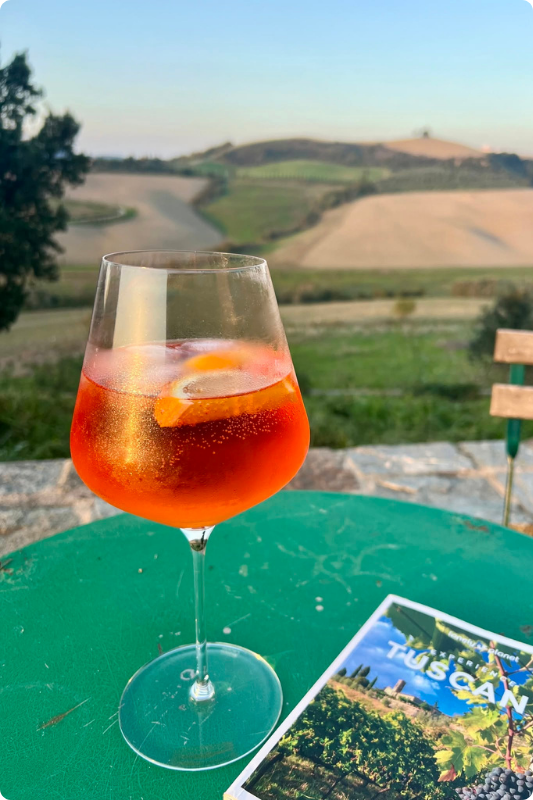
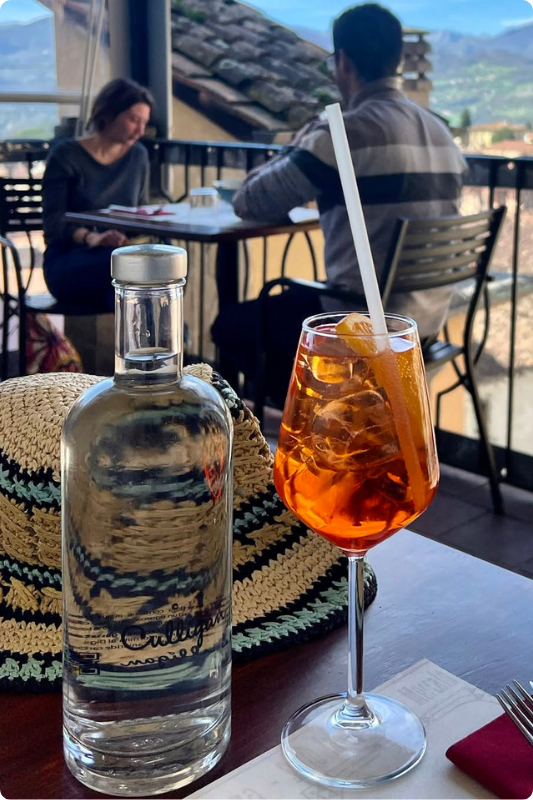
Classic Aperol Spritz
Ingredients
75ml Prosecco
50ml Aperol
A splash of soda water
Ice
A slice of orange
How to make it
Fill a large wine glass with ice.
Pour over the Prosecco first, then the Aperol.
Top with a small splash of soda water.
Add the orange slice and serve immediately.
That is it. That is genuinely all there is to it. The Italians do not overthink their aperitivo, and neither should you.
Italian Citrus Spritz (Non-Alcoholic)
Ingredients
75ml sparkling water
50ml fresh orange juice
25ml fresh grapefruit juice
Ice
A slice of orange or lemon
How to make it
Fill a glass with ice.
Pour over the juices.
Top with sparkling water.
Garnish and serve.
Light, refreshing, and genuinely lovely. It captures that aperitivo feeling without the alcohol, and on a warm evening, it is really very good.
If you brought home some limoncello, try serving it very cold, straight from the freezer, in a small glass as a digestivo after dinner. It is one of those things that feels completely correct in a way that is hard to explain.
The Philosophy That Makes It All Work
Italian food is often described as simple, and the word does not quite do it justice. It is not minimal. It is precise. Fewer ingredients, chosen with care, cooked with patience.
The biggest shift you can make at home is to slow down when you eat. Don't turn dinner into a performance; just put your phone somewhere else, sit at the table, and actually taste what you have made. Notice the texture of the pasta, the way the oil coats your mouth, the moment when the garlic has gone from sharp to sweet.
This is what Italian food has always been known for. That eating well is not about complexity or expense. It is about paying attention.
Buy the better olive oil, that is a non-negotiable for me after countless trips to Italy. I spend as much as I can afford on decent olive oil when I’m home, and never ever buy a plastic bottle. It’s like a form of blasphemy to Italians. Find the San Marzano tomatoes. Set the table properly, even if it's just for you. Light a candle. Pour something into a glass. And let weekday evening feel, just for a moment, like you are still in Italy.
Baci,
Beara x